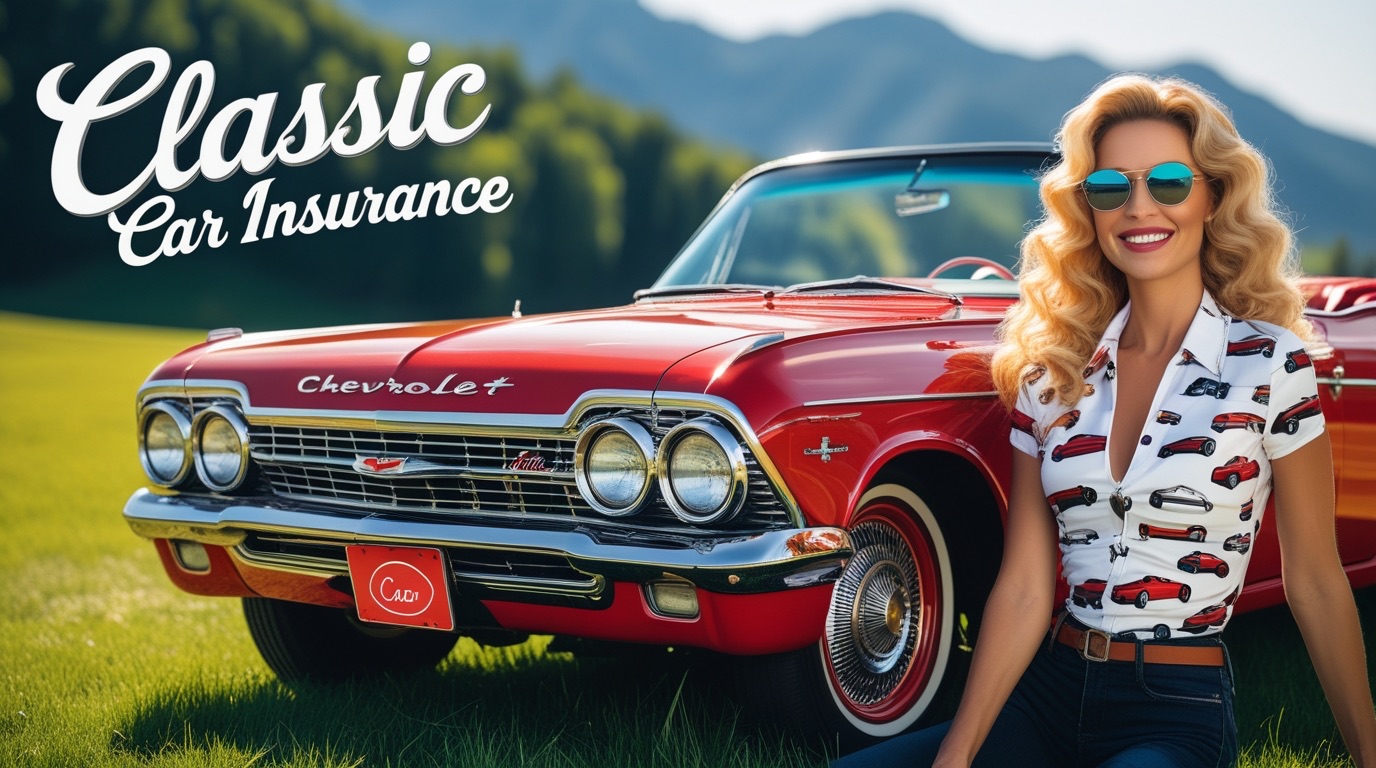
Owning a classic car is not just about transportation; it’s about preserving a piece of history. Vintage cars carry memories of a bygone era and are treasured for their beauty and craftsmanship. However, such a prized possession needs specialized care and protection. Classic car insurance offers tailored coverage to safeguard your investment while providing peace of mind.
This blog will explore everything you need to know about classic car insurance, why it’s important, and how you can find the best policy for your vintage ride.
What Is Classic Car Insurance?
Classic car insurance is a specialized type of insurance designed specifically for vintage, antique, and collectible vehicles. Unlike regular car insurance, it provides coverage that reflects the unique value and limited use of classic cars.
Key Features of Classic Car Insurance
- Agreed Value Coverage: Classic car insurance policies typically use an agreed value system. This means you and the insurer agree on the car’s value at the time of the policy, ensuring you receive the full value in case of a total loss.
- Lower Premiums: Since classic cars are often driven less frequently, insurers typically offer lower premiums compared to standard auto insurance.
- Specialized Repair Options: Policies often include coverage for repairs at specialized garages that understand vintage cars.
- Flexible Usage Terms: While classic car insurance restricts daily use, it allows for occasional drives to car shows, parades, or pleasure rides.
Why Do You Need Classic Car Insurance?
Protecting your vintage ride with the right insurance policy is essential for multiple reasons. Here are the main benefits:
Preservation of Value
Unlike regular vehicles that depreciate over time, classic cars often appreciate in value. Standard car insurance may not adequately cover the true worth of your vintage car. Classic car insurance ensures the agreed value reflects its current market worth.
Specialized Coverage
Classic cars have unique needs, from maintenance to replacement parts. A specialized policy provides coverage tailored to these requirements, ensuring your car is well-protected.
Financial Protection
Accidents, thefts, or natural disasters can cause significant financial loss. Classic car insurance provides the necessary protection to cover repair or replacement costs without a major financial burden.
Peace of Mind
Knowing your prized possession is covered by a policy designed for its unique needs allows you to enjoy owning and driving your classic car without constant worry.
What Qualifies as a Classic Car?
Not every old vehicle qualifies for classic car insurance. Insurers often have specific criteria to define a classic car:
Age Requirements
A car is typically considered classic if it is 20 to 40 years old. Vehicles older than 40 years may fall under antique car insurance, while those less than 20 years old but rare or unique may qualify for collectible car insurance.
Limited Use
Classic cars are usually not driven daily. Most insurers require the car to be used sparingly, such as for leisure or car shows.
Condition of the Vehicle
To qualify, the car must be in good condition or under restoration. Insurers often require photos and detailed documentation to verify the car’s state.
Storage Requirements
Many policies require the car to be stored in a secure location, such as a garage or storage unit, to minimize risks of damage or theft.
Types of Coverage in Classic Car Insurance
Classic car insurance offers a range of coverage options tailored to your vintage ride. Let’s explore the key types:
Agreed Value Coverage
This is one of the most important features of classic car insurance. Unlike standard policies that consider depreciation, agreed value coverage ensures you receive the full insured amount if your car is totaled.
Liability Coverage
Liability coverage protects you if you’re at fault in an accident that causes injury or property damage to others.
Collision Coverage
Collision coverage pays for damages to your car resulting from a collision with another vehicle or object.
Comprehensive Coverage
Comprehensive coverage protects against non-collision-related incidents, such as theft, vandalism, fire, or natural disasters.
Spare Parts Coverage
This coverage helps pay for rare or hard-to-find replacement parts for your classic car.
Roadside Assistance
Many policies include roadside assistance tailored for classic cars, covering towing or repairs if your vehicle breaks down.
Mileage Plans
Some insurers offer flexible mileage plans based on your car’s usage. These plans allow you to choose a mileage limit that fits your driving habits.
How to Choose the Best Classic Car Insurance
Finding the right insurance policy for your vintage car requires careful consideration. Here are some steps to guide you:
Assess Your Car’s Value
Start by determining your car’s current market value. Consult appraisers or use valuation tools to get an accurate estimate. This will help you negotiate an agreed value with your insurer.
Compare Multiple Insurers
Research different insurance providers and compare their offerings. Look for companies with experience in classic car insurance and positive customer reviews.
Check Eligibility Requirements
Ensure your car meets the insurer’s criteria for classic car coverage. This includes age, condition, and storage requirements.
Understand Policy Details
Read the policy thoroughly to understand what’s covered and what’s not. Pay attention to exclusions, deductibles, and mileage restrictions.
Ask About Discounts
Many insurers offer discounts for features like secure storage, membership in classic car clubs, or bundling policies. Don’t hesitate to ask about these savings.
Consider Additional Coverage
Depending on your car’s needs, you may want to add optional coverage like spare parts or restoration insurance.
Tips for Maintaining Your Classic Car
Proper maintenance plays a crucial role in preserving the value and performance of your classic car. Here are some tips:
Regular Cleaning
Keep your car clean to prevent rust and damage. Use products designed specifically for classic cars to avoid harming the paint and finishes.
Proper Storage
Store your car in a climate-controlled garage to protect it from extreme weather conditions. Use a car cover for added protection.
Scheduled Maintenance
Follow a regular maintenance schedule, including oil changes, fluid checks, and tire inspections. Work with mechanics experienced in classic cars.
Drive Occasionally
Driving your car occasionally prevents mechanical components from seizing and keeps the engine in good condition.
Document Everything
Maintain detailed records of repairs, restorations, and maintenance. This documentation can increase your car’s value and help with insurance claims.
Common Mistakes to Avoid When Insuring a Classic Car
To ensure your vintage car is adequately protected, avoid these common pitfalls:
Using Standard Car Insurance
Regular car insurance may not cover the true value of your classic car or provide the specialized protection it needs.
Underestimating Your Car’s Value
Failing to appraise your car accurately can lead to insufficient coverage. Always negotiate an agreed value with your insurer.
Ignoring Policy Details
Overlooking exclusions or mileage restrictions can lead to unpleasant surprises when filing a claim. Understand your policy thoroughly.
Skipping Regular Updates
Update your policy if your car’s value changes due to restorations or market appreciation. This ensures you’re adequately covered.
Conclusion
Classic car insurance is more than just a policy; it’s a commitment to preserving your vintage ride’s value and legacy. With tailored coverage options, your car is protected against risks while allowing you to enjoy its beauty and history. By understanding your car’s unique needs and carefully choosing the right policy, you can safeguard your investment and keep your classic car in pristine condition for years to come.